POULTRY FOCUS
Poultry business news, tailored real-time data and analysis, business life and economic evaluations

As the poultry industry heads into the second quarter of 2026, one thing is becoming clearer: intestinal health is no longer being treated as a narrow technical topic. It is increasingly being discussed as a central part of flock resilience, disease management and production efficiency. That shift is reflected in the agenda for the 9th International Conference on Poultry Intestinal Health, set to take place in Istanbul, Turkiye, from April 22 to April 24, 2026.
According to the official conference website, ICPIH 2026 has already drawn more than 1,200 confirmed attendees, suggesting continued global interest in how gut health is shaping modern poultry production. The meeting is being organized around a broad scientific program that goes well beyond nutrition alone, covering intestinal microbiome research, infectious disease pathogenesis and control, in vitro and in vivo gut health models, gut health markers and diagnostics, dietary additives, and innovative management solutions.
Washington update: “predictably unpredictable” ahead of midterms
Christian Richter, principal at The Policy Group, described the 2026 policy environment as “predictably unpredictable” ahead of midterm elections. Key themes he highlighted included the economy, immigration, trade policy uncertainty and the future of the Farm Bill.
Richter also underscored ongoing challenges tied to tariffs, federal debt and immigration reform, noting their implications for agriculture and labor availability
The Animal Economics take:
For poultry businesses, policy risk is increasingly operational risk—affecting workforce planning, trade flows and the regulatory outlook that shapes investment decisions.

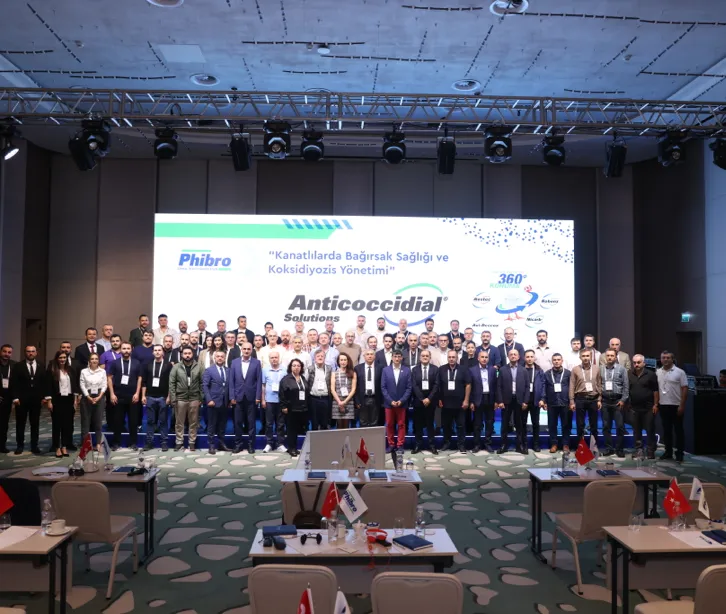

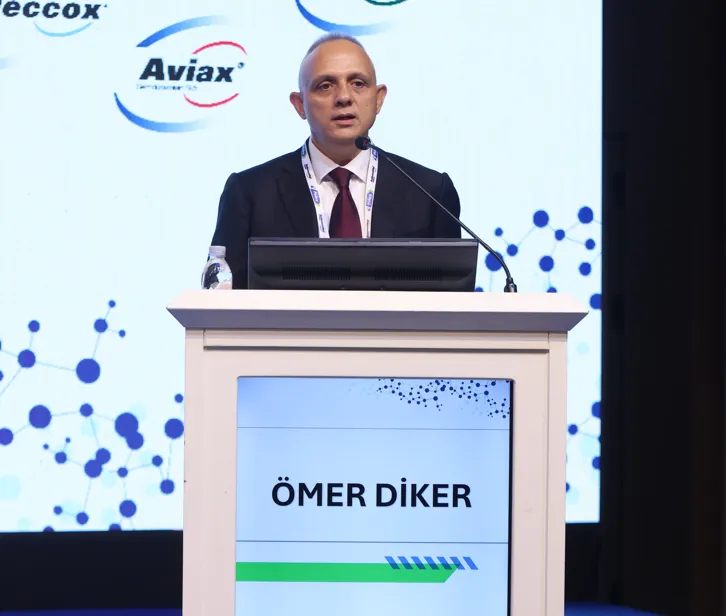
At Phibro Animal Health’s “Poultry Gut Health and Coccidiosis Management” seminar, Omer Diker, General Manager of Phibro Turkiye, framed the company’s strategy around one idea: trust built over decades must translate into practical, solution-driven value in the field.

Trichothecene mycotoxins are toxic substances that cause serious problems in egg laying hens, causing productivity, health and economic losses. Trichothecene mycotoxins are toxic compounds produced by fungi, especially the Fusarium genus, and cause serious adverse effects on animal health. These mycotoxins can easily be found in chicken feeds, especially corn and grain-based feeds. Storing agricultural products in unsuitable conditions or keeping them in a humid environment increases the risk of mycotoxin formation. This causes poultry to be exposed to these toxins through their food sources and thus may negatively affect egg production.
Boehringer Ingelheim brought Turkiye’s poultry industry together in Istanbul on 30 October–1 November for the official launch of Prevexxion RN, its next-generation vaccine developed to strengthen Marek disease protection in breeder and layer operations. Designed as both a scientific and business-oriented gathering, the launch positioned Prevexxion RN as a strategic tool for integrations seeking stronger biological security and more stable production economics.
A Launch Framed Around Sector Needs and Economic Realities
The introduction of Prevexxion RN comes at a time when poultry businesses across Turkiye face increasing pressure to maintain uniformity, preserve breeder value and protect flock performance against evolving field strains. The launch emphasized that while modern integrations have advanced genetics and high-capacity systems, hidden Marek impacts continue to impose significant economic drag—making stronger first-day protection more valuable than ever.

During the Prevexxion RN launch event in Istanbul, global poultry consultant Dr. Tolga Erkus delivered one of the meeting’s most influential scientific sessions, titled “Critical Factors Affecting Post-Hatch Chick Quality and Field Performance.” His presentation underscored a key principle increasingly recognized across modern integrations: the economic success of a flock is determined not at the farm, but in the hatchery — often within the first hours of a chick’s life.
Erkus began by highlighting the importance of egg quality and particularly breeder age, explaining that young breeders produce eggs with proportionally smaller yolks. While these eggs may meet weight standards, their biological composition places chicks at an early disadvantage, reducing robustness and compromising uniformity.

At the Prevexxion RN launch event held in Istanbul by Boehringer Ingelheim, Aviagen TMENA Regional Technical Operations Manager Murat Yakar delivered a data-driven presentation titled “Critical Points in Ross Breeder Production in the Light of Genetic Progress.”
Speaking to an audience of breeder and layer professionals, Yakar highlighted the dramatic global shift in poultry meat production, noting that output has increased 15-fold from 1960 to 2020, with forecasts pointing to over 50% additional growth by 2050. According to Yakar, this expansion is not only fueled by genetic advancement but also by structured management systems, strong field implementation, and continuous professional development.Inflammation in the intestinal mucosa primarily disrupts the basic physiological functions of the digestive system, thereby limiting its overall capacity.
The digestive system plays a central role in breaking down, absorbing, and metabolizing nutrients essential for sustaining life. However, this complex system can be compromised by various factors, many of which negatively impact both animal health and performance. Among these, inflammation has emerged as one of the most critical capacity-limiting factors, particularly in high-performing farm animals with advanced genetics.
The intestinal mucosa is one of the body’s largest contact surfaces. It not only absorbs nutrients but also acts as a selective barrier against external pathogens. A balanced interaction between mucosal and immune cells is crucial for efficient digestion. Yet, various stressors can trigger inflammation in the intestinal lining, damaging its fundamental functions and reducing capacity.
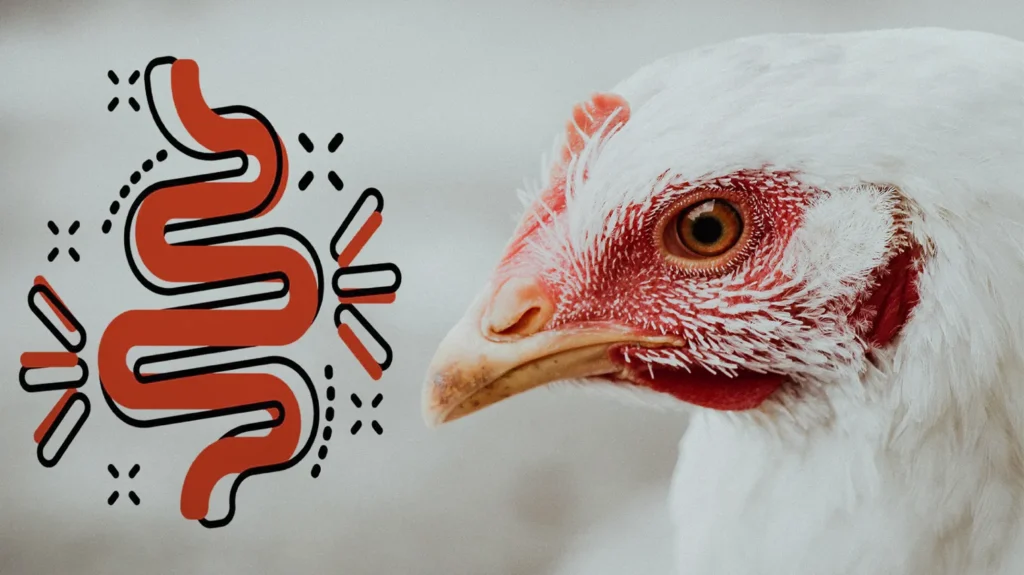
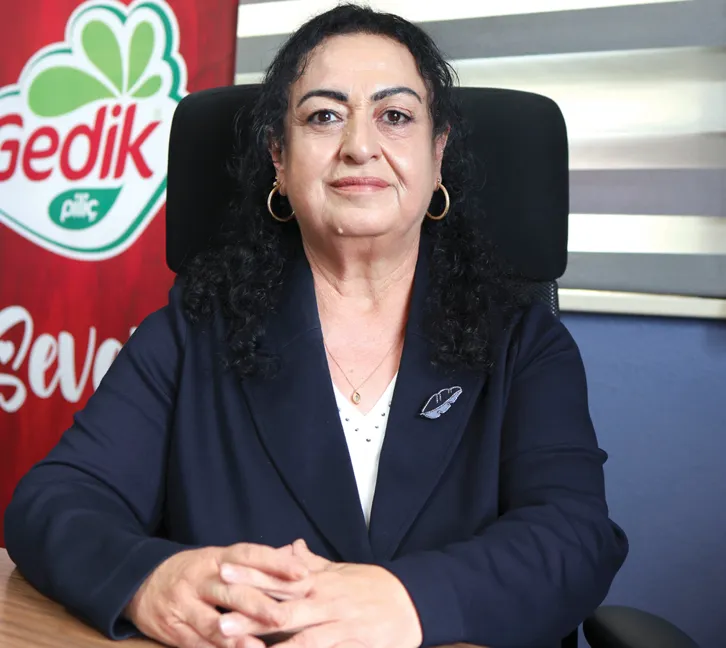

Boehringer Ingelheim Poultry Business Unit launched the BIBA 2025 (Boehringer Ingelheim Broiler Academy) program, focusing on the professional integration of field and laboratory services in broiler health. Supported by Ankara University Faculty of Veterinary Medicine, Faculty of Agriculture, and Avitek R&D Veterinary Diagnosis and Analysis Laboratory, the two-day program addressed the importance of laboratory services in diagnosing major broiler diseases and the correct application of necropsy techniques, with participation from technical managers of poultry integrations.
The first day covered a theoretical approach to broiler diseases that cause significant economic losses. The second day was dedicated to hands-on training.
Opening the program, Boehringer Ingelheim Poultry Business Unit Manager Bulent Cakan said they had designed a program where science, field practice, and the private sector come together in a more integrated way: “As Boehringer Ingelheim Poultry Business Unit, we are happy to hold the Broiler Academy for the first time, alongside the sixth edition of our Hatchery Academy. It is a source of pride to organize these two important events in cooperation between universities, the private sector, and industry. Working with Ankara University’s Agriculture and Veterinary Faculties and TeknoKent Avitek R&D is especially valuable for us.” He thanked Prof. Dr. Okan Elibol, Assoc. Prof. Dr. Serdar Ozlu, Prof. Dr. Mehmet Akan, and Dr. Akin Unal for their support, stressing the importance of understanding the contributions of science, enhancing the experience of sector partners, enriching the knowledge of newcomers, sharing experiences, and ensuring sustainability.


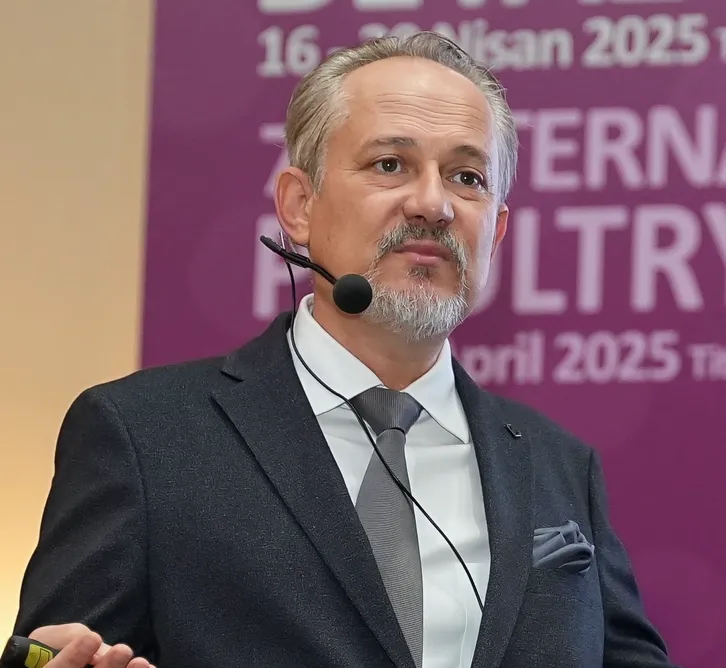
Erkus underlines success in hatchery management is the foundation of long-term, sustainable production.


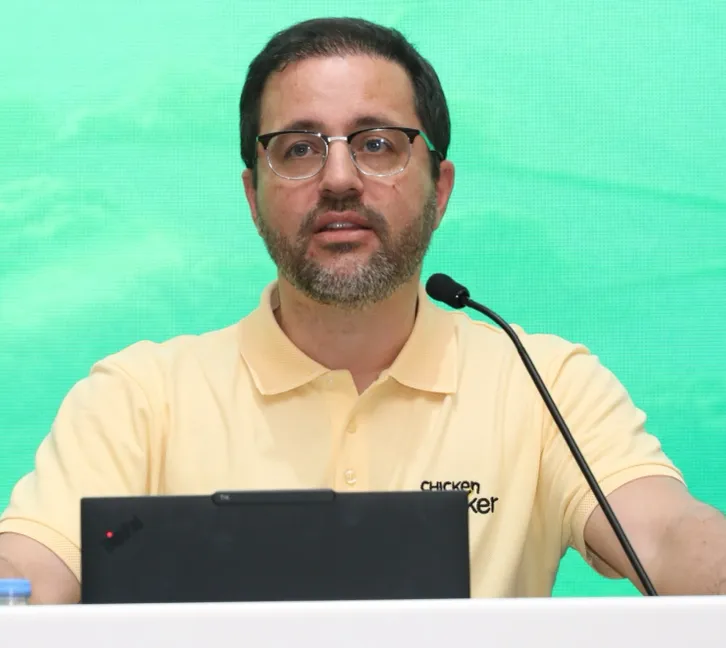
Dr. Rafael Hermes, Business Development Manager – Phytogenics at Phytobiotics, shared compelling field data that positions Sangrovit® as much more than a feed additive

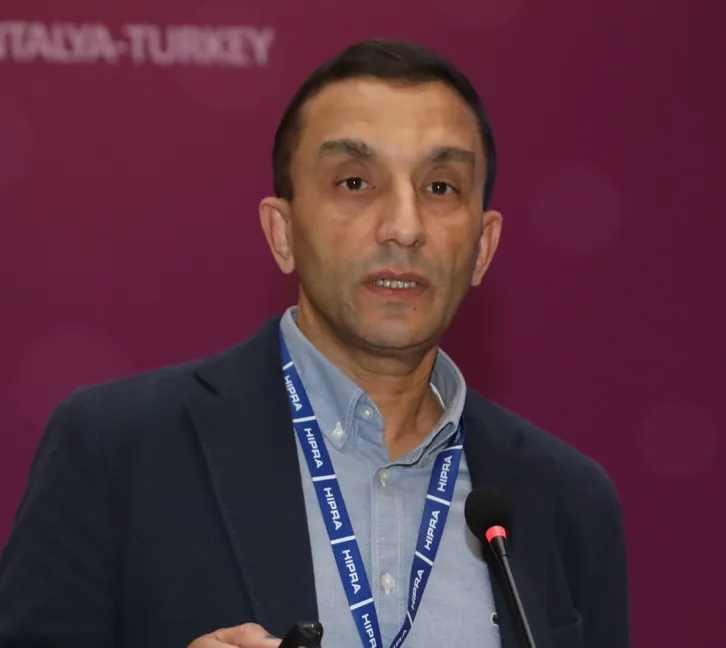

Celebrating its 25th anniversary, Phytobiotics delivered a forward-looking message to the poultry industry at UBEK 2025



During his presentation at the UBEK 2025 event, Ben Dehaeck, Global Marketing Director for Poultry Health at Huvepharma, highlighted the ongoing efforts to combat coccidiosis—a disease that causes significant economic losses in poultry.

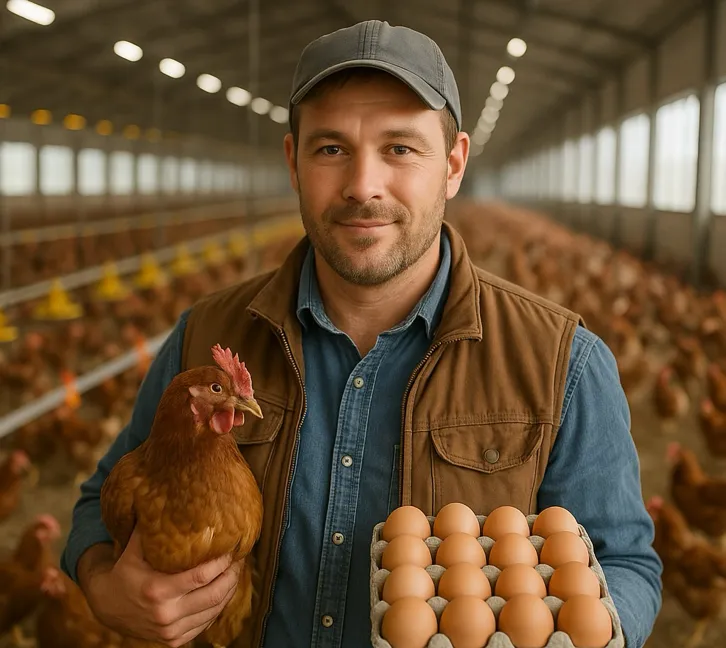

Daniel Parker, Veterinary Consultant and member of the British Poultry Council, was one of the most closely followed experts at UBEK 2025.


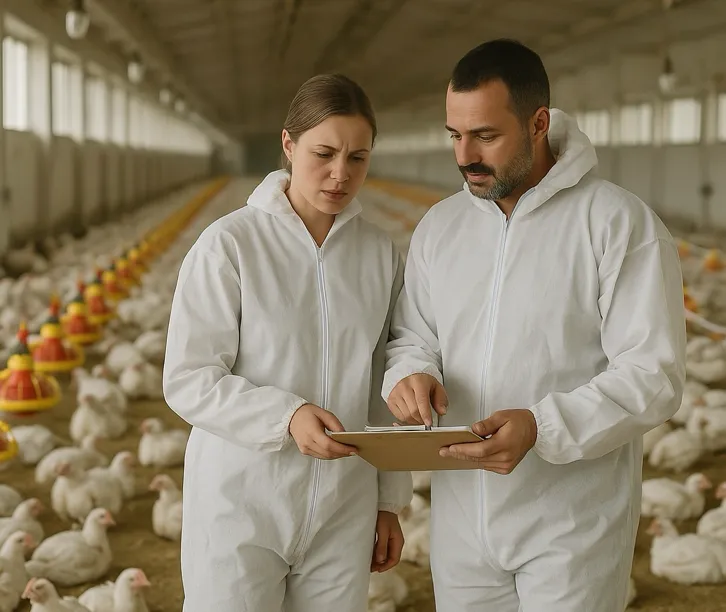
2024 marked a year of intense disruption in global poultry markets, as High Pathogenic Avian Influenza (HPAI) became not only a veterinary crisis but a full-blown economic and logistical disruptor. According to Alltech’s Agri-Food Outlook 2025, the outbreak had far-reaching consequences—from mass depopulations to trade bans—altering protein markets and reshaping global feed flows.


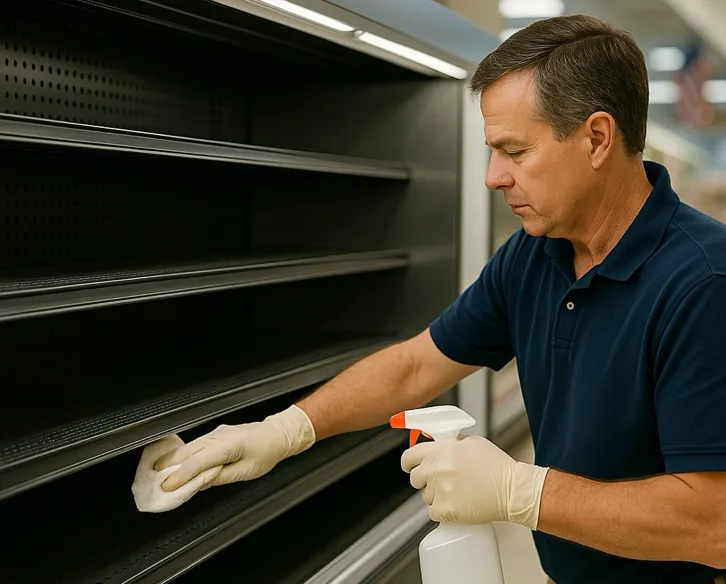
A Salmonella outbreak across seven U.S. states has prompted the recall of 1.7 million cage-free and organic eggs, raising questions about the operational vulnerabilities in even the most carefully marketed tiers of animal-based food products.



In a timely response to the ongoing supply chain disruption caused by avian influenza outbreaks across the United States, Turkiye has launched a major egg export operation aimed at stabilizing the U.S. market. A total of 15,000 tons of table eggs are being shipped from Turkiye to the U.S., under a strategic trade agreement that will run until July 2025. The move underscores Turkiye’s growing role as a reliable agricultural exporter and provides a critical buffer for American retailers and consumers facing spiking egg prices.


In response to growing discussions about the potential for poultry vaccination against Highly Pathogenic Avian Influenza (HPAI), Aviagen® CEO, Jan Henriksen, has outlined the company’s position, firmly advocating for science-driven, sustainable solutions that prioritize the health of poultry flocks and the safety of the global food supply.
The recent surge in attention around the issue of poultry vaccination, particularly in light of the H5N1 strain of avian flu, has led to significant debate. While the U.S. Department of Agriculture (USDA) initially considered vaccination as part of its strategy to combat the spread of HPAI, Secretary Brooke Rollins recently reversed this stance. In a statement, Rollins clarified that mandatory poultry vaccination would not be pursued now or in the future, a decision that Henriksen and Aviagen support wholeheartedly.