Scientific evidence on how climate change will affect poultry diseases remains limited, yet early insights highlight growing concerns. Prof. Dr. Celia Abolnik, Head of Poultry Health and Production Research at the University of Pretoria, emphasizes that colder regions could face increasing disease pressure.
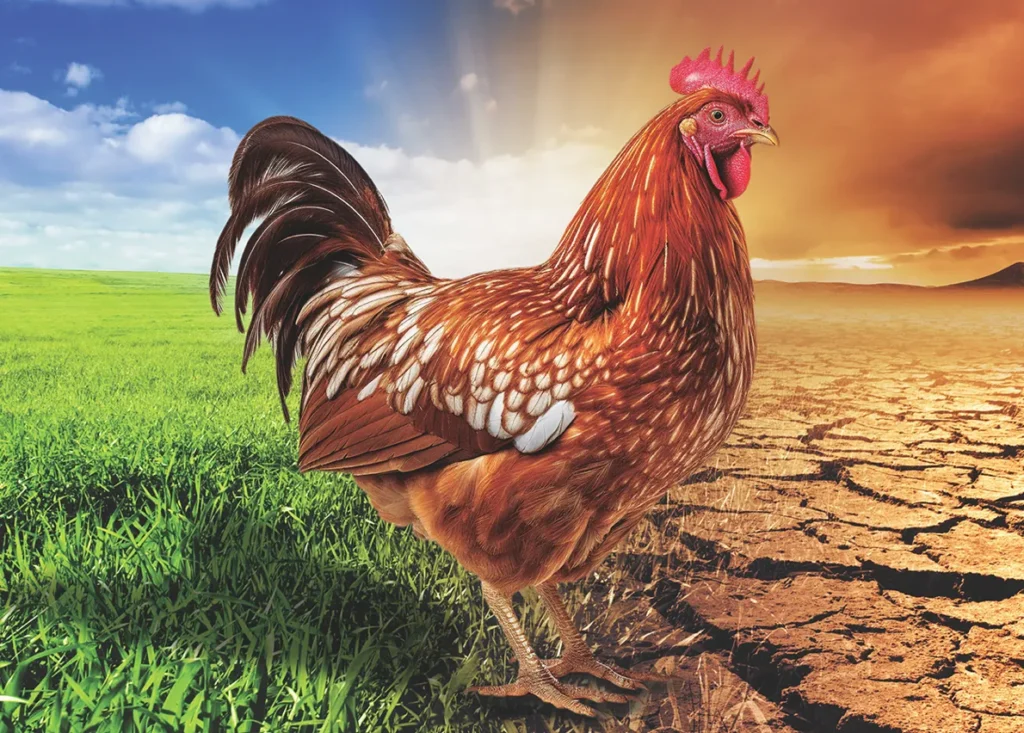
Climate-linked shifts—rising average temperatures, rainfall variability, and extreme weather—impact not only animals and plants but also pathogens and their distribution. Cold weather, for instance, creates favorable conditions for infectious diseases such as Newcastle disease, avian influenza, infectious bronchitis, and infectious bursal disease. “Cold conditions help these viruses survive longer, raising disease risks and making treatments more difficult. At the same time, poultry tend to huddle together in the cold, increasing transmission,” Prof. Abolnik explained.
While heat can inactivate certain viruses, higher humidity exacerbates respiratory and enteric problems. Both extreme heat and cold, combined with unfavorable humidity, stress poultry, leaving them more vulnerable to disease and reducing performance. Controlled housing can offset some of these effects, but energy costs make it financially challenging in many parts of the world.
The debate continues over whether free-range birds are more vulnerable. According to Prof. Abolnik, free-range chickens often have lower stress levels and more space to move, which can reduce disease transmission. However, they are more exposed to external pathogens carried by wild and migratory birds, particularly avian influenza. In contrast, intensive systems face internal disease circulation due to high stocking densities, but risks can be minimized through strict biosecurity and vaccination—though even small breaches can lead to outbreaks.